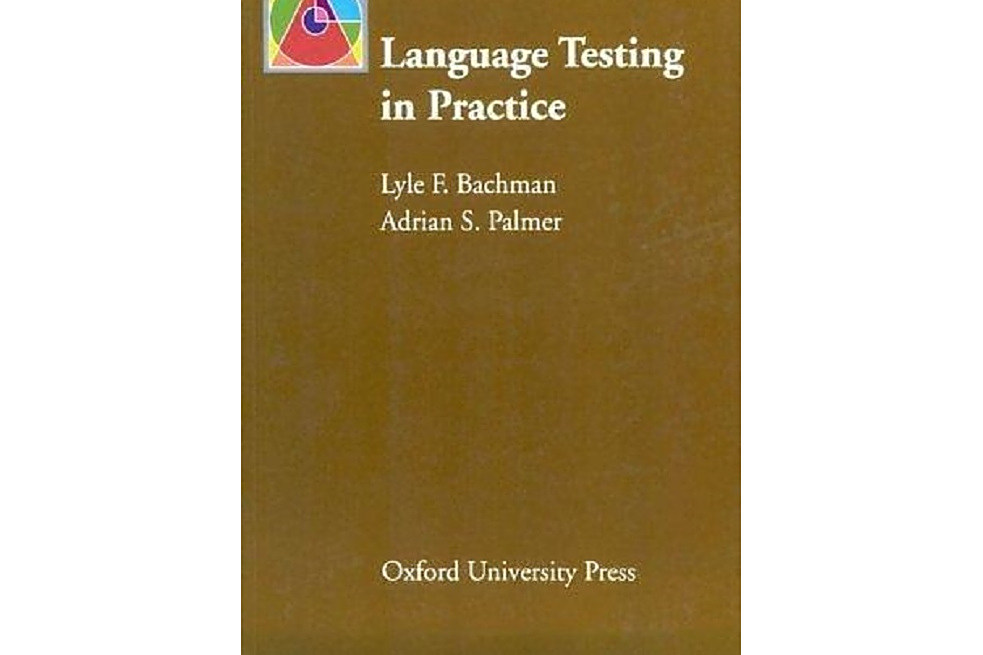
《Language Testing in Practice》由美國加州大學套用語言學教授Lyle F. Bachman與猶他大學英語教授Adrian S. Palmer合著,1996年9月12日由牛津大學出版社首次出版,由上海外語教育出版社引進中文版。該書作為《語言測試要略》的姊妹篇,以交際語言教學為背景,聚焦測試設計與實踐套用的系統性關聯。
全書分為三部分:第一部分闡述語言測試目標、語境及能力構念;第二部分解析測試開發流程,包含藍圖制定、資源整合及評分方法;第三部分通過十個實例展示理論運用。書中提出“測試有用性框架”,從六個維度評估測試質量,並將“構念效度”設為獨立評價標準。Bachman與Palmer提出的“互動—能力”模式為後續語言測試構念研究提供理論基礎,其完善和發展的交際語言能力模型由語言能力、策略能力和心理—生理機制構成。該書提出的交際語言能力模型為《中國英語能力等級量表》的制定提供了理論基礎之一。2010年,Bachman和Palmer合著出版了《語言評測實踐:現實世界中語言評測的開發及使用論證》一書。
基本介紹
- 外文名:Language Testing in Practice
- 作者:Lyle F. Bachman 、Adrian S. Palmer
- 出版時間:1996年9月12日
- 出版社:Oxford University Press, USA
- 頁數:384 頁
- ISBN:9780194371483
- 定價:27.75 歐元
- 裝幀:Paperback
作品基本信息,內容簡介,理論貢獻與特點,
作品基本信息
《Language Testing in Practice》由Lyle F·Bachman和Adrian S·Palmer合著,牛津大學出版社於1996年9月12日出版。副標題為“Designing and Developing Useful Language Tests (Oxford Applied Linguistics)”。全書共384頁,平裝本,定價27.75美元,ISBN為9780194371483。豆瓣評分為8.5分,基於13人評價。
內容簡介
《語言測試實踐》(Language Testing in Practice)由Lyle F. Bachman與Adrian S. Palmer合著,1996年由Oxford University Press出版。本書將語言測試實踐與交際語言教學和測試的當前觀點聯繫起來,並建立在Bachman的《語言測試基本考慮》(Fundamental Considerations in Language Testing)的理論背景之上,主要探討測試的設計、規劃和組織。
全書分為三個部分:第一部分為“語言測試的概念基礎”(Conceptual Bases on Language Testing),第二部分為“設計和構建有用的語言測試”(Designing and Constructing Useful Language Tests),第三部分為“收集、分析和使用語言測試信息”(Collecting, Analyzing, and Using Information from Language Tests)。
理論貢獻與特點
Bachman和Palmer對Bachman(1990)的交際語言能力模型進行了修正與完善,形成了新的交際語言能力觀。該模式由語言能力、策略能力和心理—生理機制三個部分構成。
修正後的模型更加注重語言能力和其他因素的相互作用,把語言測驗中的交際能力作為一個動態的過程來理解,尤其強調策略能力的紐帶作用。
Bachman和Palmer提出了“測試有用性框架”,從信度、構念效度、真實性、互動性、後效和可操作性六個方面綜合評價測試的有用性。為體現整體效度的思想,作者提出三項框架使用原則,強調綜合評價和提升測試整體有用性的意義。該框架將“構念效度”作為一項獨立的標準,用於評價測試的分數解釋是否有意義、是否合理。
內容簡介
This book relates language testing practice to current views of communicative language teaching and testing. It builds on the theoretical background expounded in Bachman's Fundamental Considerations in Language Testing and examines the design, planning, and organization of tests. The book is divided into three sections which discuss (1) objectives and expectations, the context of language testing, and the abilities to be tested; (2) the process of test development, including blueprints, resources, operationalization, and scoring methods; and (3) ten examples which illustrate the principles discussed in Parts One and Two.
