在2012年出版的《Networked:The New Social Operating System》[1]一書中,Lee Rainie和Barry Wellman將移動革命(mobile revolution)與網際網路革命(internet revolution)、社會網路革命(social network revolution)並列為新時期影響人類社會的三大革命,其中的移動革命意指移動終端與無線網路的發展給人們的社會生活帶來的巨大變化。本詞條主要參考書 建議用作百科名片的配圖
(建議首段用作百科名片)
回憶一下移動革命之前的情況就會發現其中的變化之大。在1970年的喜劇電影《老公出差》(《The Out of Towners》)中,主人公由於找不到固定電話聯繫旅館推遲預定導致房間給了別人,遇到麻煩時無法和單位協調面試時間從而失去了一次重要的機會,被綁架後也難以尋求他人的幫助。這些當年的喜劇元素在今天看來完全是不可想像的,其中的關鍵差別就在於移動通訊的有無。
值得關注的是,簡訊在青少年群體中尤其受歡迎,2011年,三分之二的青少年使用簡訊功能,其中12—17歲的群體平均每人每天要收發50條簡訊,其中三分之一達到100條,其原因主要在於它的便捷性,以及可以在與人溝通時不被他人聽到的私密性,在皮尤公司2011年的一次調查中,當被問及在學校之外通過什麼方式與朋友進行溝通的時候,54%的受訪者選擇簡訊,38%選擇手機語音通話,33%選擇面對面交流,30%選擇固定電話,25%選擇諸如Facebook的社交網站(SNS social network site),24%選擇即時通訊工具,而只有11%選擇了電子郵件。正如皮尤公司報告編輯Amanda Lenhart所說,如果青少年成為美國的領導者,我們將會進入一個文本為主的溝通系統,他們對簡訊的興趣遠高於直接通話。[9]
套用(APP)在手機上提供了mp3播放器、遊戲機、相機、影碟機、錄音筆、GPS導航儀、地圖、個人助理等功能。PC Word的作家Jeff Bergolucci則認為,僅搭載這些功能中一項的單機設備最終會為智慧型手機所斷送。皮尤在2010年春天的調查表示,有35%的美國成年人——或者說43%的手機使用者——的手機上裝有套用。Nielsen Mobile Insights關注了其中在一個月內下載套用的子群體。最受歡迎的套用是遊戲(尤其是益智類、策略類、牌類和電子遊戲),社交媒體網頁、地圖和天氣預報。[12]
另一種社會交往的壓力來源於人們害怕錯過(FOMO fear of missing out)的心理,移動革命對人們連線性的提高使得人們獲得信息的可能性大大提高,當這種事實上的可能性反響影響了人們對於獲得信息的預期就會產生這種心理,他們不敢錯過哪怕一個電話,因為它可能帶來十分重要的信息,也不想因為錯過一些信息而脫離相應的社會群體,被當成局外人。
移動革命不僅增加了我們在日常生活中的社交控制力,也提高了我們應對突發事件的能力,當我們遇到突發情況時,我們可以通過移動設備迅速與特定的人發生聯繫,在短時間內調動社交圈中能夠解決相應問題的一系列人共同解決問題,其實質是在相當快的時間裡建立了一個應急團隊,各出所能簡單快捷地化解困難,社會學者稱之為應急社群機制(Ad Hoc Community),事實上,隨著移動革命對人們生活的影響越來越深刻,這種機制已經逐漸成為人們協調邏輯的一部分,我們會在遇到突發事件時有意無意地採用這種方式應對挑戰,比如一位女士在超市購物時不小心跌倒扭傷了腳,他會用手機打電話給同事請人幫忙請假,並通過手機上網查找最近的急診室,簡訊給正在開會的丈夫請他在下班後接放學的孩子回家,這在前移動時代是很難如此順利而快捷地實現的。
空間層面,1997年,Frances Cairncross曾在《The Death of Distance:How the Communications Revolution is Changing Our Lives》一書指出:距離曾經是影響人們安排工作和生活的關鍵要素,而新的通訊技術則消除了這個因素的作用。[21]而Lee Rainie和Barry Wellman則在2012年出版的《Networked:The New Social Operating System》一書中提出了不同的觀點,他們認為,儘管移動革命使得距離對於人際交往的制約在減弱,但絕非完全沒有,並且在某些情況下依然是非常重要的。
[1]Lee Rainie, Barry Wellman. Networked: The New Social Operating System. London: The MIT Press. 2012. 本詞條主要參考該書的第四章.
[2] Nate Orenstam. Doctor Cellphone: Can You Hear Me Now? Valley of the Geeks. December 20, 2007.
[3] CTIA Semi-Annual Wireless Industry Survey.
[4] Wireless Substitution: Early Release of Estimates from the National Health Interview Survey. July-December 2010.
[5] Hotspex. Survey Reveals Less than 10 Per Cent of Canadians State They Can Live without Their Mobile Device. Exchange. September 10, 2010.
[6] Kristen Purcell. Half of Adult Cell Phone Owners Have Apps on Their Phones. Pew Internet and American Life Project. November 2, 2001.
[7] International Telecommunication Union statistics.
[8] China’s Mobile Phone Users Top 879m in February. China Daily. March 25, 2011.
[9] Amanda Lenhart, Rich Ling, Scott Campbell, Kristen Purcell. Teens and Mobile Phones. Pew Internet & American Life Project. April 20, 2010.
[10] Rhonda McEwen. A World More Intimate: Exploring the Role of Mobile Phones in Maintaining and Extending Social Networks. PhD dissertation. Faculty of Information, University of Toronto. 2009.
[11] 谷歌:中國的移動革命到來. 網易新聞.
[12] Kristen Purcell, Roger Entner, Nichole Henderson. The Rise of Apps Culture. Pew Internet & American Life Project. September 14, 2000.
[13] 網頁操作或將取代套用成內容主要載體. 新浪新聞.
[14] Pew Research Center’s Internet & American Life Project, Unpublished data from survey conducted in May 2011.
[15] Pew Internet survey data available.
[16] Iranian cyber army’ hits Twitter. BBC News. December 18, 2009.
[17] James Katz, Mark Aakhus. Perpetual Contact. Cambridge: Cambridge University Press. 2002.
[18] Aaron Smith. Americans and Their Cell Phones. Pew Internet & American Life Project. August 2011.
[19] Rich Ling. The Mobile Connection. San Francisco: Morgan Kaufmann. 2004. p6-11.
[21] Frances Cairncross. The Death of Distance: How the Communications Revolution is Changing Our Lives. Boston: Havard Business School Press. 2011. the back cover.
[22] Scott Campbell, Yong Jin Park. Social Implications of Mobile Telephony. Sociology Compass, January 2008, 371-387.
[23] Kenneth Gergen. The Saturated Self. New York: Basic Books. 1991.
[24] Sixth of Cell Phone Owners Have Bumped into Someone or Something while Using Their Handhelds. June 18, 2010.
[25] Steward, Barbara. Changing times: The meaning, measurement and use of time in teleworking. Time and Society, 2000, 9(1), 57–74.
[26] Lynn Loucester. At My Wedding Twittering and Facebooking at the Altar. YouTube. November 22, 2009.
[27] Perrucci, Robert, Pilisuk, Marc. The Triple Revolution: social problems in depth. Boston: Little Brown & Co. 1968.
[29] Oksman, Virpi, Turtiainen, Jussi. Mobile Communication as a Social Stage: Meanings of Mobile Communication in Everyday Life Among Teenagers in Finland. New Media and Society, 6(3), 319–339.
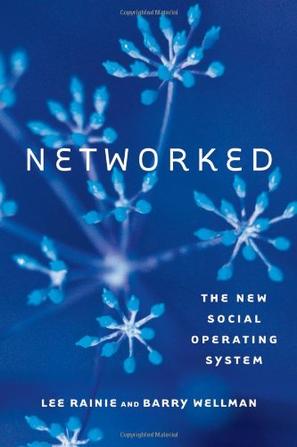 本詞條主要參考書 建議用作百科名片的配圖