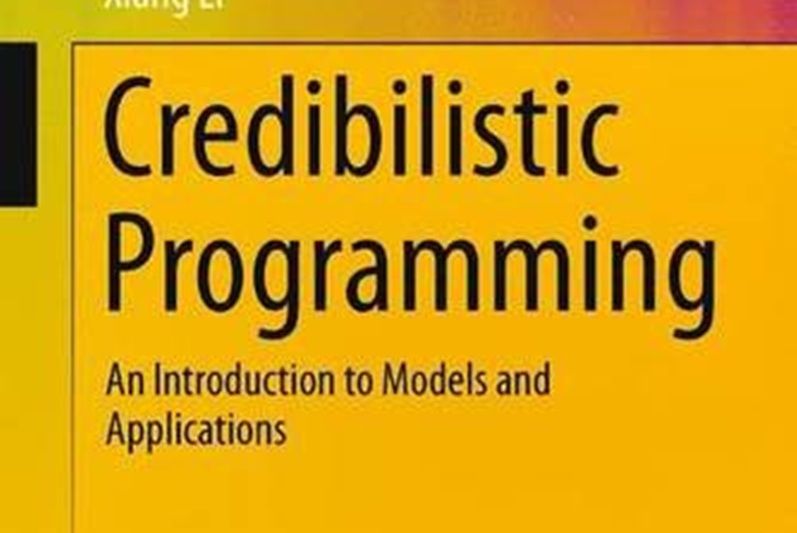
《Credibilistic Programming》是2013年4月Springer-Verlag Berlin and Heidelberg GmbH & Co. KG出版的圖書,作者是Li, Xiang。
基本介紹
- 外文名:Credibilistic Programming
- 作者:Li, Xiang
- 出版社:Springer-Verlag Berlin and Heidelberg GmbH & Co. KG
- ISBN:9783642363757
內容簡介,圖書目錄,
內容簡介
It provides fuzzy programming approach to solve real-life decision problems in fuzzy environment. Within the framework of credibility theory, it provides a self-contained, comprehensive and up-to-date presentation of fuzzy programming models, algorithms and applications in portfolio analysis.
圖書目錄
1 Credibility Theory . . . . . . . . . . . . . . . . . . . . . . . . . . . . 1
1.1 Credibility Measure . . . . . . . . . . . . . . . . . . . . . . . . . 1
1.2 Credibility Space . . . . . . . . . . . . . . . . . . . . . . . . . . . 11
1.3 Fuzzy Variable . . . . . . . . . . . . . . . . . . . . . . . . . . . . 13
1.4 Credibility Function . . . . . . . . . . . . . . . . . . . . . . . . . 16
1.5 Independence . . . . . . . . . . . . . . . . . . . . . . . . . . . . 20
1.6 IdenticalDistribution . . . . . . . . . . . . . . . . . . . . . . . . 27
References . . . . . . . . . . . . . . . . . . . . . . . . . . . . . . . . . 29
2 Credibilistic Programming . . . . . . . . . . . . . . . . . . . . . . . . 31
2.1 MathematicalProgramming . . . . . . . . . . . . . . . . . . . . . 31
2.1.1 Single-ObjectiveProgramming . . . . . . . . . . . . . . . 32
2.1.2 Multi-Objective Programming . . . . . . . . . . . . . . . . 34
2.2 Credibilistic Programming . . . . . . . . . . . . . . . . . . . . . . 36
2.3 GeneticAlgorithm . . . . . . . . . . . . . . . . . . . . . . . . . . 39
2.3.1 RepresentationStructure . . . . . . . . . . . . . . . . . . . 39
2.3.2 Initialization . . . . . . . . . . . . . . . . . . . . . . . . . 40
2.3.3 Evaluation Function . . . . . . . . . . . . . . . . . . . . . 40
2.3.4 Selection Process . . . . . . . . . . . . . . . . . . . . . . 41
2.3.5 CrossoverOperation . . . . . . . . . . . . . . . . . . . . . 41
2.3.6 MutationOperation . . . . . . . . . . . . . . . . . . . . . 42
2.3.7 General Procedure . . . . . . . . . . . . . . . . . . . . . . 43
References . . . . . . . . . . . . . . . . . . . . . . . . . . . . . . . . . 43
3 Expected Value Model . . . . . . . . . . . . . . . . . . . . . . . . . . 45
3.1 Expected Value . . . . . . . . . . . . . . . . . . . . . . . . . . . . 45
3.2 Expected Value Model . . . . . . . . . . . . . . . . . . . . . . . . 61
3.3 Fuzzy Simulation . . . . . . . . . . . . . . . . . . . . . . . . . . 62
3.4 Applications . . . . . . . . . . . . . . . . . . . . . . . . . . . . . 65
References . . . . . . . . . . . . . . . . . . . . . . . . . . . . . . . . . 70
vii
viii Contents
4 Chance-Constrained Programming Model . . . . . . . . . . . . . . . 73
4.1 OptimisticValue . . . . . . . . . . . . . . . . . . . . . . . . . . . 73
4.2 PessimisticValue . . . . . . . . . . . . . . . . . . . . . . . . . . 82
4.3 Chance-Constrained Programming Model . . . . . . . . . . . . . 91
4.4 Fuzzy Simulation . . . . . . . . . . . . . . . . . . . . . . . . . . 94
4.4.1 OptimisticValueSimulation . . . . . . . . . . . . . . . . . 94
4.4.2 PessimisticValueSimulation . . . . . . . . . . . . . . . . 96
4.5 Applications . . . . . . . . . . . . . . . . . . . . . . . . . . . . . 98
References . . . . . . . . . . . . . . . . . . . . . . . . . . . . . . . . . 101
5 Entropy Optimization Model . . . . . . . . . . . . . . . . . . . . . . 103
5.1 Entropy . . . . . . . . . . . . . . . . . . . . . . . . . . . . . . . . 103
5.2 MaximumEntropyPrinciple . . . . . . . . . . . . . . . . . . . . . 108
5.3 Entropy Optimization Model . . . . . . . . . . . . . . . . . . . . 112
5.4 Fuzzy Simulation . . . . . . . . . . . . . . . . . . . . . . . . . . 113
5.5 Applications . . . . . . . . . . . . . . . . . . . . . . . . . . . . . 115
References . . . . . . . . . . . . . . . . . . . . . . . . . . . . . . . . . 117
6 Cross-Entropy Minimization Model . . . . . . . . . . . . . . . . . . 119
6.1 Cross-Entropy . . . . . . . . . . . . . . . . . . . . . . . . . . . . 119
6.2 MinimumCross-EntropyPrinciple . . . . . . . . . . . . . . . . . 124
6.3 Cross-Entropy Minimization Model . . . . . . . . . . . . . . . . . 125
6.4 Fuzzy Simulation . . . . . . . . . . . . . . . . . . . . . . . . . . 125
6.5 Applications . . . . . . . . . . . . . . . . . . . . . . . . . . . . . 128
References . . . . . . . . . . . . . . . . . . . . . . . . . . . . . . . . . 129
7 Regret Minimization Model . . . . . . . . . . . . . . . . . . . . . . . 131
7.1 Distance . . . . . . . . . . . . . . . . . . . . . . . . . . . . . . . 131
7.2 Regret Minimization Model . . . . . . . . . . . . . . . . . . . . . 137
7.3 Fuzzy Simulation . . . . . . . . . . . . . . . . . . . . . . . . . . 138
7.4 Applications . . . . . . . . . . . . . . . . . . . . . . . . . . . . . 139
References . . . . . . . . . . . . . . . . . . . . . . . . . . . . . . . . . 140
Index . . . . . . . . . . . . . . . . . . . . . . . . . . . . . . . . . . . . . . 143
