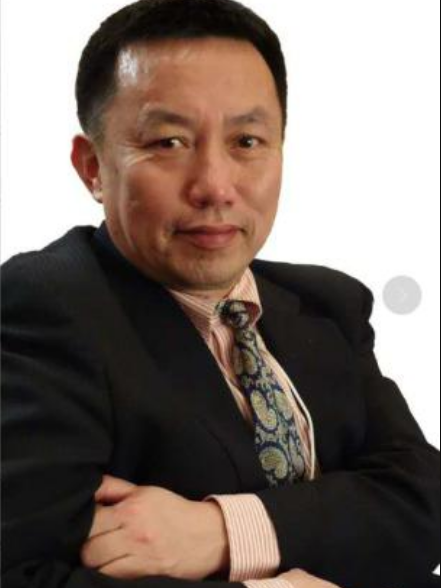
李仁輝,男,2020年1月任溫州大學生環學院教授(二級)。1998年取得日本筑波大學理學博士;1998年4月至2005年9月分別在日本國立環境研究生,美國賴特州立大學,維吉尼亞理工大學和田納西大學從事博士後研究。2005年9月 入選中國科學院海外傑出引進人才“百人計畫”。曾任中國科學院水生生物研究所藻類研究中心主任,二級研究員,博士生導師。研究的領域包括水體富營養化,有毒藍藻水華和藻類異味的研究等。
主持和承擔國家973課題,十一五,十二五和十三五國家水專項以及國家自然科學基金等國家項目以及受委託橫向項目60多項(其中國家自然科學基金8項),以及同美國,日本,歐洲和澳大利亞的國際合作研究。受聘於多個省市的“藍藻水華和飲用水問題和處理”的專家顧問,國家自然科學基金評審,科技部和環保部等部委的科研項目和標準評審組長或委員。擔任中國藻類學會副秘書長,國際藻類雜誌Phycologia (SCI)副主編,Journal of Systematics and Evolution(SCI) 的副主編,Harmful Algae,《生物多樣性》和《套用與環境生物學報》的編委等。發表學術文章100多篇,其中第一和通訊作者的SCI文章80多篇,被引2200多次,H指數30。
基本介紹
- 中文名:李仁輝
- 職 稱:研究員
- 學 歷:研究生
- 性別:男
- 職稱:教授
研究方向,科研項目,專家類別,代表論著,
研究方向
1. 產生毒素及異味等有害物的藻類(藍藻為主)的分布和物種多樣性;
2. 有毒藍藻生物的分子特徵、分子系統及分子進化;
3. 有毒藍藻及藍藻毒素的分子監測;
4. 藍藻水華暴發機理以及有害藍藻的去除
5.有害藻類(水華藍藻)生物學
科研項目
1.水華藍藻越冬和復甦的時空格局與過程, 973項目課題負責人, 2008-2012, 380萬
2.湖灣藻華原位控制和藻源性污染消減技術及示範工程,國家十一五國家水專項洱海項目子課題負責人,2009-2012, 140萬
3.太湖藍藻異常增殖的預防及控制技術研發,國家十一五水專項太湖項目子課題負責人,2009-2012,200萬
4. 中國淡水藍藻志-真枝藻目,國家自然科學基金委,2011-2015, 35萬
5.洱海典型湖灣藍藻水華應急處理技術集成與示範,國家十二五水專項專題,120萬
6.東部淺水湖泊浮游生物共性特徵,空間差異及演變趨勢,國家十二五水專項專題,100萬
7.擬柱胞藻和尖頭藻的分類以及分子系統學研究。國家自然科學基金委,2012 -2015,60萬
8. 藻類種類,動態以及基因型同水體DOM的關係研究。國家基金委中日合作項目, 2013-2015,60萬
9. 念珠藻的分類修訂學研究。國家自然科學基金委,2015-2018,88萬
10.藏北典型湖泊水生生物資源本底考察。科技部基礎專項課題負責人,2014-2019, 70萬
11. 濱湖城市高藻河道外源性藻類控制技術與示範。科技部水專項子課題負責人,2017-2020,430萬。
12. 絲狀藍藻--顫藻的分類修訂研究。國家自然科學基金委,2020-2013,58萬。
專家類別
人才與特聘
1.中國科學院百人計畫獲得者(2007-2010)
2.江西師範大學“555”贛特聘教授
3.2005年和2007年分別獲得日本學術振興會(JSPS)短期特聘教授
4.2012年日本京都大學生態研究所的特聘教授
5.2016年和2018年京都大學湯川冠名特聘教授(* 湯川為諾貝爾獎獲得者)
學會任職及會議組織
1.中國藻類學會常務理事,副秘書長
2.發起和創立的論壇/研究會:全國藻類分類與多樣性會議,全國藍藻水華論壇
組織會議:
1.第一屆全國藻類分類與多樣性研討會,2009,武漢
2.第一屆亞洲微囊藻研究國際研討會,2009,武漢
3.第十七次全國藻類學會會議以及學術研討會,2013,武漢
4.第十屆世界產毒藍藻會議,2016,武漢
雜誌編委
1.SCI:Phycologia 副主編
2.Harmful Algae 編委(唯一的中國人編委)
3.Journal of Systematics and Evolution 副主編(2010-2016),編委(2017)
4.國核心心:《生物多樣性》和《套用環境生物學報》編委
5.其它:中國孢子植物編輯委員會委員
代表論著
1.Huo D., Chen Y., Zheng T., Liu X., Zhang X., Yu G., Qiao Z*, Li R*.2018. Characterization of Microcystis (Cyanobacteria) genotypes based on the internal transcribed spacer region of rRNA by next-generation sequencing.Frontiers in Microbiology, 9:971.
2.Yang Y. Chen Y., Cai F., Liu X., Wang Y. andLi R*. 2018. Toxicity-associated changes in the invasive cyanobacterium Cylindrospermopsis raciborskii in response to nitrogen fluctuation.Envioronmental Pollution 237:1041-1049
3.Cai F., Yu G., Zhang K., Chen Y., Li Q., Yang Y., Xie J., Wang Y. and Li R. * 2017. Geosmin production and polyphasic characterization of Oscillatoria limosa Agardh ex Gomont isolated from the open canal of a large drinking water system in Tianjin City, China. Harmful Algae69:28-37
4.Li, X., Li S., Kong R. andLi R * . 2016. Molecular separation of two long taxonomically debated cyanobacterial genera Cylindrospermopsis and Raphidiopsis (Nostocales) based on the ITS-L phylogeny .Harmful Algae 57:88-97
5.Liu Y., Xu Y., Wang Z., Xiao P., Yu G., Wang G. and Li R*. 2016. Dominance and succession of Microcystis genotypes and morphotypes in Lake Taihu, a large and shallow freshwater lake in China. Environmental Pollution 219:399-408
6.Li, X., Dreher T. and Li R*. 2016. An overview of diversity, occurrence, and toxin production of bloom-forming Dolichospermum (Anabaena) species.Harmful Algae54:54-68
7.Jiang Y., Yu G., Shao J., Liu D. andLi R*. 2014. Sporadic distribution and distinctive variation of cylindrospermopsin genes in cyanobacterial strains and environmental samples from Chinese freshwater bodies.Appliedand Environmental Microbiology 80:5219-5230
8.Wu Z, Shi J., Lin S. andLi R*. 2010. Unraveling molecular diversity and phylogeny of Aphanizomenon (Nostocales, Cyanobacteria) strains isolated from China. Journal of Phycology 46:1048-1058.
9.Lin S., Wu Z., Yu G., Yu B. andLi R. 2010. Genetic Diversity and Molecular Phylogeny of Planktothrix (Oscillatoriales, Cyanobacteria) Strains from China.Harmful Algae 9:87-97
10.Shao J., Wu Z.,Yu G., Peng X. and Li R*. 2009.Allelopathic mechanism of pyrogallol to Microcystis aeruginosa PCC7806 (Cyanobacteria): From views of gene expression and antioxidant system. Chemosphere 75:924-928
